Why low ash coal matters for your stove
Ash buildup affects airflow, heat output, and how often you need to clean your stove. This is why low ash coal is designed to leave less residue, which can improve performance and reduce maintenance. Less residue keeps vents clear and helps the fire respond to controls. It also means fewer trips to the ash bucket during busy weeks. Clear vents reduce the chance of smoky relights. That matters for busy households that want steady heat without constant ash clearing. This guide explains why ash level matters, how to compare fuels, and what to ask before you buy. It also covers storage and handling tips that keep your appliance running smoothly.
How low ash coal protects airflow and heat
Airflow is the engine of a clean, efficient fire. When you burn low ash coal, the grate stays clearer and the fire receives steadier oxygen. That helps the stove maintain a stable temperature without constant vent changes. Consistent heat reduces the need to open the door. A clear grate also improves ignition speed during cold starts. It helps the stove reach temperature faster on chilly mornings. If ash cakes over the grate, heat output drops and smoke increases. You may need to poke more often if ash builds too fast. Lower ash also means less residue on the baffle and fewer deposits in the flue.
That can reduce sweeping frequency over the season. In smoke control areas, many people choose approved smokeless fuel to reduce smoke and reduce cleanup. Even approved fuels need good airflow to stay clean. Open vents during start up to keep flames bright. Close them gradually once the flame is steady. Shake the grate lightly to release loose ash without crushing the fuel. Do it once the fire settles, not during ignition. Heavy stirring can create extra dust and shorten burn time. Use a narrow poker to keep the bed intact instead of breaking up the fuel.
Fine dust can cling to the hearth, so wipe the area before opening the door again. A short burst of air can revive the bed without overheating the room. Keep a small torch nearby so you can see the grate slots clearly.
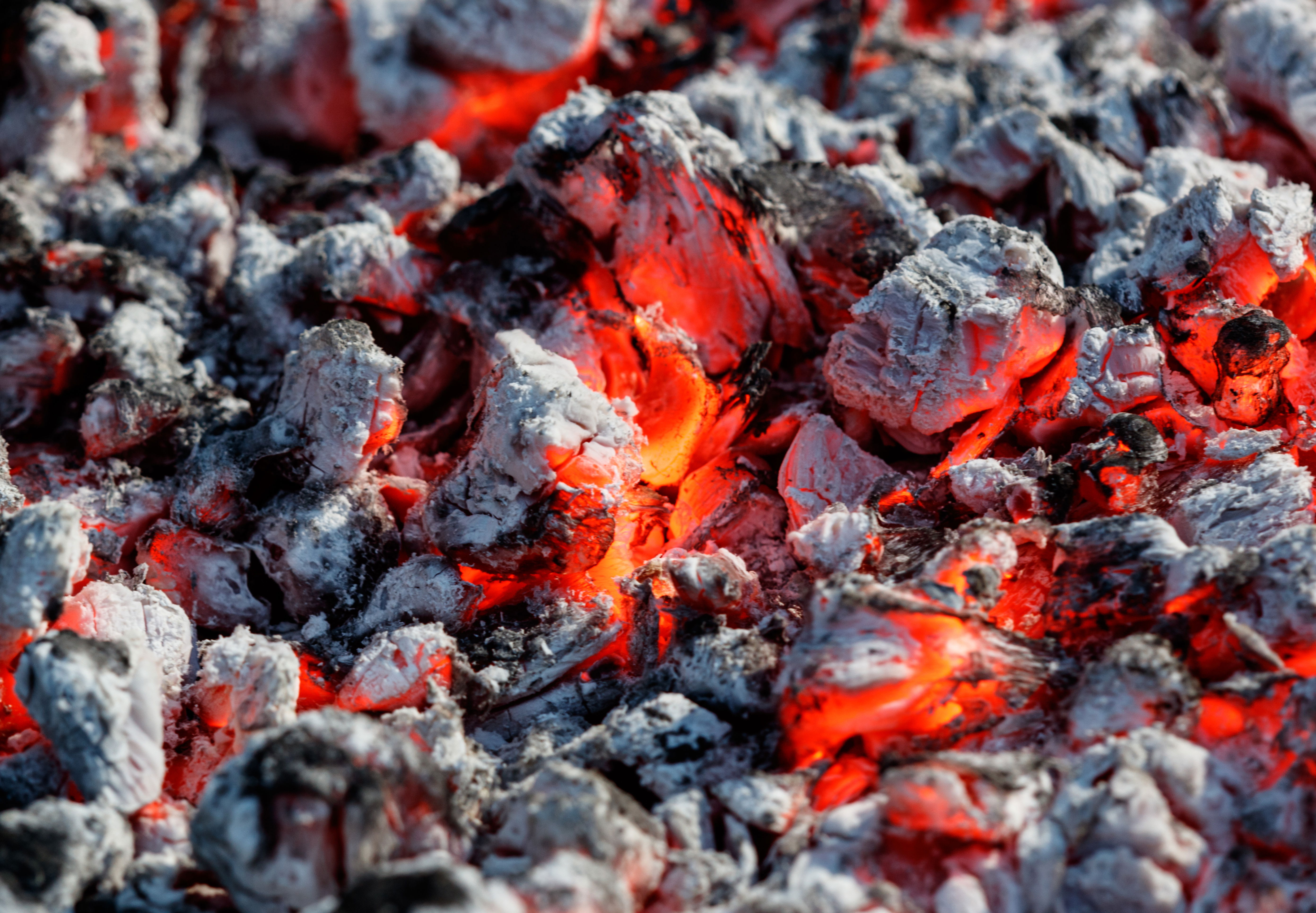
Comparing ash levels, heat, and value
Not all products burn the same way, so compare heat output and ash volume together. Ask how the fuel is screened and sized, because fine pieces burn fast. Uniform size helps airflow stay open through the burn. It also makes loading more consistent from one fire to the next. Some options labeled as low ash coal still vary by batch, so ask about testing. Smaller pieces can burn faster and leave more residue in the pan. Larger lumps can burn longer but may need stronger draft. If you use coal briquettes, check whether they are designed for long burns or quick heat.
Check whether they leave a hard clinker that blocks airflow. Briquettes can be convenient, but they may behave differently from traditional lumps. Store them dry so they do not crumble during handling. Damp storage can raise ash and increase smoke. Consider how long you want a burn to last and how much refueling you can manage. Short burns favor quick ignition and less fuel at a time. Long burns favor denser fuel and steady airflow. Short burns suit smaller loads and faster ignition. Compare coal prices by expected burn time rather than bag size alone. Include delivery fees in the comparison so the total cost is clear.
Check for minimum order fees so you can plan ahead. Keep receipts so you can compare batches over the season. Notes help you compare ash levels later in winter. Those notes make reordering easier next season.
Buying and storage habits that reduce ash mess
Supply quality and storage both affect how much ash you see. Ask whether storage areas are covered and well ventilated. Fresh air reduces damp buildup in the storage area. If you search for coal supply near me, ask whether fuel is stored under cover and delivered in sealed packaging. Confirm that bags are sealed between deliveries so moisture stays out. If bags feel damp, let them air out under cover. Coal bags should stay dry, so keep them off damp floors and away from rain. Moisture adds weight and reduces heat output during the burn. It can also cause the fire to sputter at start up.
It also increases smoke during start up. Rotate stock so older bags are used first and dust does not build up in the storage area. Keep a small brush nearby to manage dust around the stove. A vacuum with a filter works well for fine dust. Use a low power setting to avoid airborne dust. Keep a small metal bin near the stove for daily use to reduce indoor dust. Empty it outdoors after the contents cool completely. Clean ash pans on a regular schedule so buildup does not choke the air path. Check gaskets for leaks that pull in extra dust.
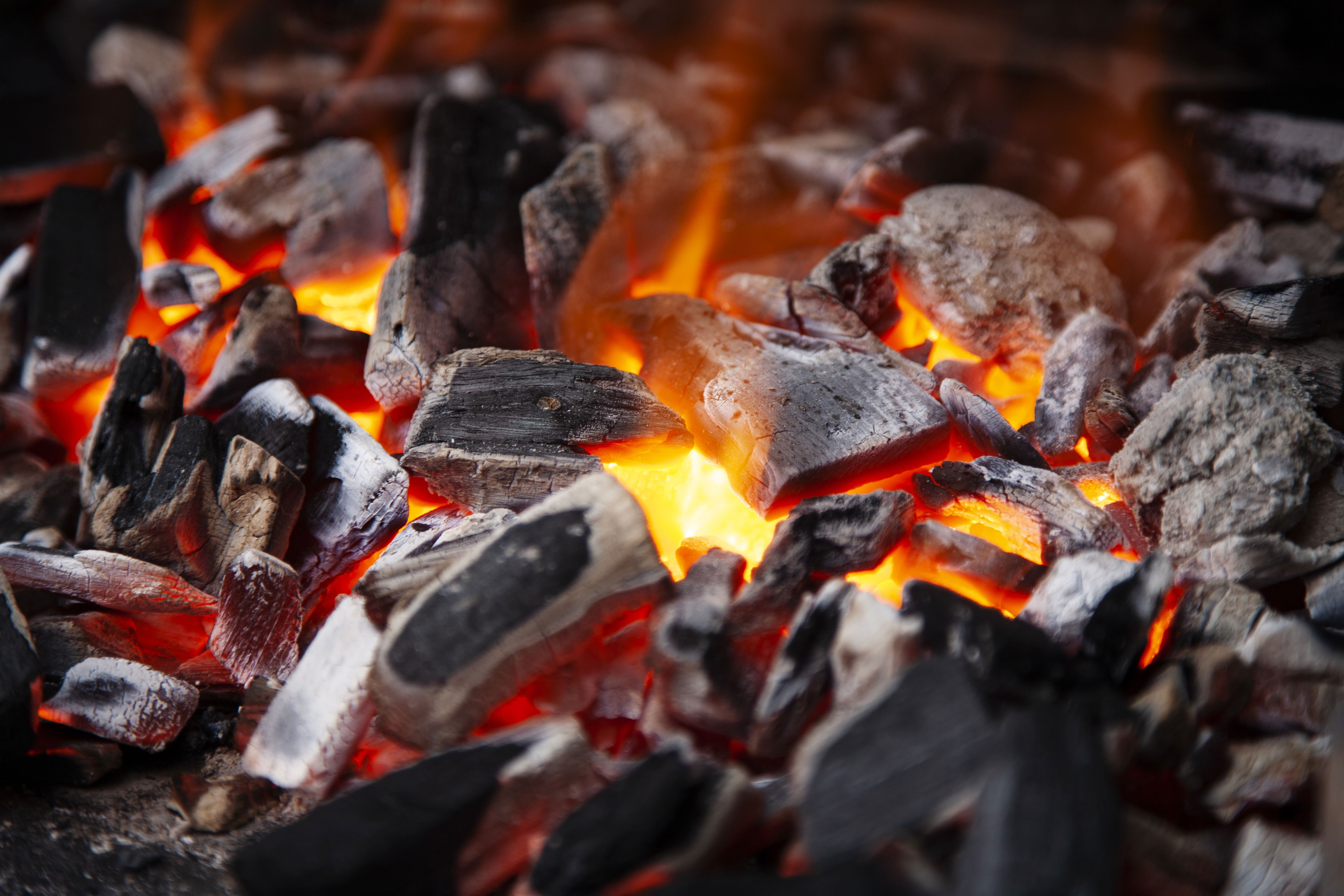
Ash handling and routine checks
Ash disposal is part of safe, low mess burning. Use a metal bucket with a tight lid and keep it away from combustible items. Let ash cool for at least a full day before disposal. Wear gloves and a dust mask when you empty the pan. Wipe down the hearth area to prevent fine ash from spreading indoors. Sweep the hearth weekly so dust does not build up. Check door seals and air vents so the stove stays easy to control. Replace seals if the door feels loose. Test carbon monoxide alarms monthly during heavy use. Keep basic tools nearby so you can adjust the grate safely.
A quick weekly check keeps airflow clear and reduces long term buildup. Never use plastic bins for ash because embers can stay hot. Keep ash outside until it is fully cold.
Conclusion
Choosing the right fuel is a practical decision about heat, cleanup time, and appliance care. It also affects how much dust builds up indoors. Used well, low ash coal gives many households a cleaner burn and fewer maintenance headaches when it is used correctly. Focus on consistent quality, good storage, and steady airflow to keep the stove performing well. Small changes often cut cleanup time over the season. Review your routine after a week and adjust vent settings for smoother control. Good records help you reorder the best batch. For help selecting the right product for your appliance, contact D Debnam Coal and describe your usage pattern.
FAQ
Is low ash coal better for stove glass?
It can help because lower ash reduces particles that stick to the glass. Keep airflow steady to minimize soot buildup. Clean the glass gently when it is cool. Avoid scraping with metal tools.
How often should I clean the ash pan?
Empty it before it reaches the grate level so airflow stays open. A weekly routine works for regular use, while heavier use may need more frequent checks. Empty it more often during long cold spells. Check it before overnight burns.