Can you use coal for log burners? A practical guide
Many stove owners ask whether coal for log burners is safe or efficient. The answer depends on your appliance design, local rules, and how you manage airflow. Some log burners are wood only and should never use coal because the higher heat can damage components. Other appliances are rated for multi fuel use and can handle coal when it is burned correctly. This guide explains how to check your stove rating, how to light and control a coal fire, and what maintenance steps protect your chimney. It also covers practical storage tips and the trade offs between heat output and convenience.
Check your appliance design and fuel approvals
Start by checking the manufacturer instructions and the stove plate. If the appliance is wood only, do not use coal because the hotter burn can warp baffles and crack liners. High heat can also stress the flue liner and reduce its lifespan. If the liner is older, inspect it before the season begins. A multi fuel unit usually has a grate and underfire air control that keep a coal bed glowing. This is why coal for log burners works best when air can rise from below rather than only from the door vents.
If your appliance does not have that airflow, it may struggle to keep coal lit and can produce excess smoke. Also check local restrictions because some areas limit which fuels you can burn. Fuel rules can vary by town, so use local guidance rather than assumptions. Keep proof of approved fuel purchase if your area requires it. If your stove has a back boiler, check its rating before changing fuels. If you are unsure, ask the installer or supplier for written confirmation. Keep a carbon monoxide alarm in the room before you change fuel types. A simple call can prevent expensive repairs.
Documenting the advice can help with maintenance records later. Schedule a chimney inspection if you switch fuels mid season. Check air vents for dust or debris that can reduce airflow. Vacuum the air inlets if dust builds up. Inspect door seals for brittleness before the heating season. If you notice smoke backdraft, stop and seek advice. Once you confirm suitability, you can plan safe lighting and maintenance habits that match the fuel characteristics. Good airflow and correct loading reduce soot and keep the chimney in better condition.
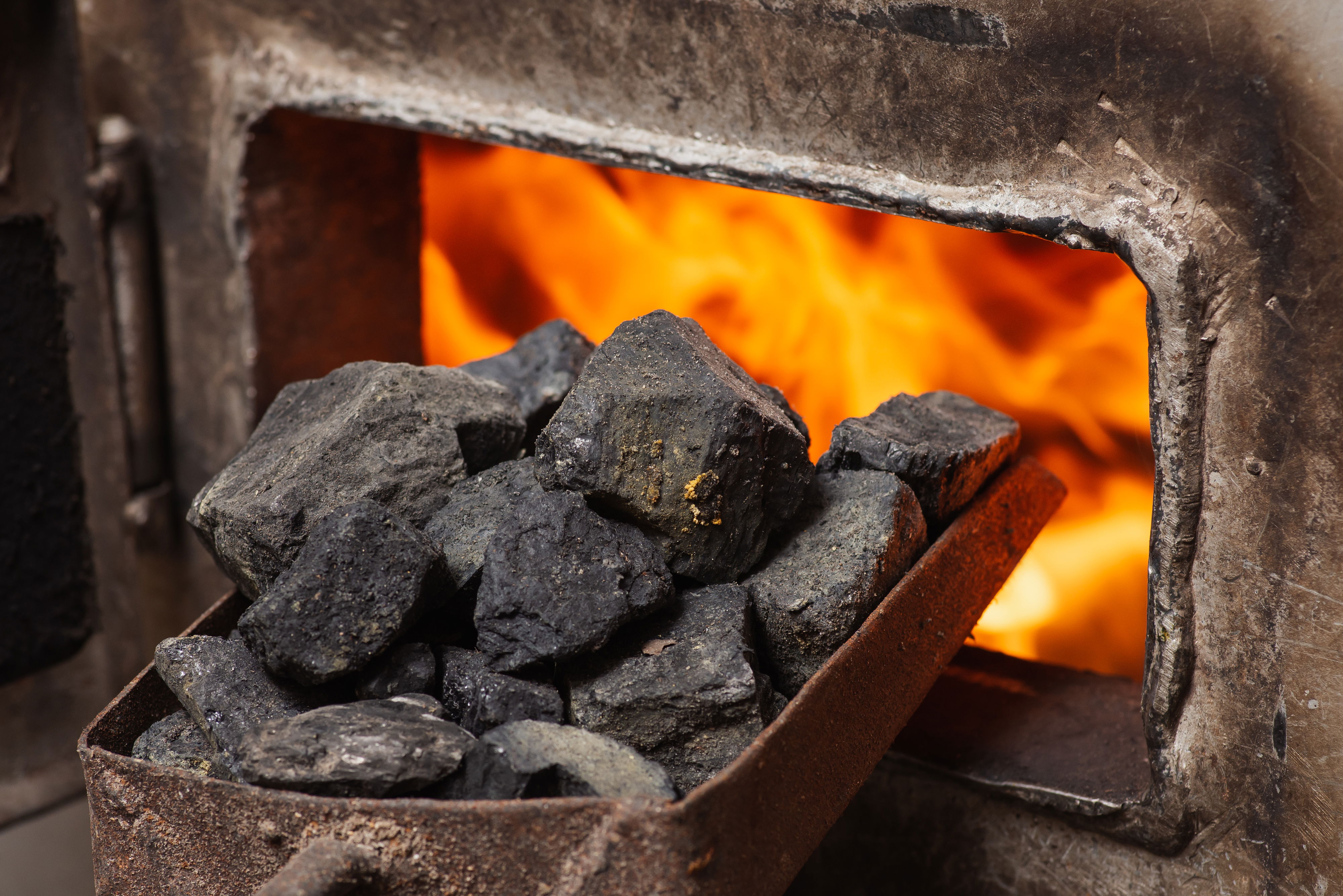
Fuel mixing and control for daily use
Even when your stove supports coal, you may still use wood for flexibility and quick lighting. A practical approach is to start with kindling and small splits, then add coal after a hot ember bed forms. Let the initial wood stage burn down so the ember bed is strong before you add coal. Smaller coal pieces can help you adjust heat more quickly. Give the coal time to catch before you reduce air settings. If the manual recommends logs for wood burner use only, follow that guidance and avoid fuel mixing. For multi fuel appliances, mixing can work, but only in moderation to keep airflow open.
Too much coal at once can block air and create a lazy flame. Add small amounts and wait for the edges to glow before you add more. Top up little and often rather than dumping a full load at once. Use a shallow rake to level the bed after each addition. Let the coal bed glow evenly before you add more fuel. Warm the flue with a small kindling fire before adding coal. Use a poker to maintain gaps in the fuel bed and keep the fire active. This reduces soot on the glass and lowers chimney deposits.
If the stove has an airwash, keep it slightly open to protect the glass. Avoid loading fuel against the glass to reduce staining. Manage air controls slowly, because sudden changes can smother the fire or create smoke. In these cases, coal for log burners can extend heat between refuels when you manage the fuel bed carefully. A stove thermometer can help you keep a safe, steady burn range. Aim for a steady range rather than peak spikes that stress the stove body. Let the stove cool slightly before you remove ash or adjust the grate. The aim is a hot, stable burn that you can control without constant relighting.
A steady routine makes the fire easier to maintain during long winter evenings.
Ash handling, airflow, and safety checks
Coal burns differently from wood and leaves more ash, so maintenance is part of safe use. Clear ash from the grate before each burn so air can flow up through the bed. If ash builds too high, the fire will smolder and create smoke. Use a metal container with a lid for ash storage and keep it away from combustible materials. Let ash cool for at least 24 hours before disposal. Wear gloves and a dust mask when handling fine ash. Keep a small brush for the grate to clear slots between burns. Clean the ash pan area weekly to keep air clear.
Some households use coal briquettes because they are uniform, but they still need space between pieces for airflow. Treat any solid fuel as a product that needs steady oxygen and a stable bed. Never dispose of ash in plastic bins because embers can stay hot for hours. When the fire is established, reduce air slowly to keep heat without choking the flame. A faint orange glow with small blue flames usually indicates efficient combustion. If smoke appears at the chimney, open the vents until it clears. In most cases, coal for log burners is safe when you respect airflow and clean the appliance on schedule.
Regular sweeping and gasket checks also help keep performance consistent. Schedule chimney sweeping more often when coal is a regular fuel choice. If you burn daily, consider a mid-season check as well.
Conclusion
Using the right fuel in the right appliance protects your stove and improves heat control. If your unit is approved for coal, you can gain longer burn times and steadier warmth, but only with good airflow and regular cleaning. Remember that coal for log burners is not a shortcut for every stove, so check the rating before you buy. Safe burning reduces maintenance costs over the season. A brief checklist each week helps you spot issues early. Small adjustments can improve safety and efficiency across the season. If you want advice on safe options in Essex and Suffolk, contact D Debnam Coal and share your stove model and usage pattern.
FAQ
Can smokeless coal be used in a log burner?
It can be used in appliances that are rated for coal or multi fuel use. Check the manual and local rules before you burn it. Use the air controls to avoid smoke during start up.
Do multi fuel stove fuel settings change how coal burns?
Yes, airflow and grate settings affect how the fuel bed stays lit. Adjust the vents to keep steady heat without smothering the fire. Keep settings steady for several minutes before changing them again.