Uses and limits of anthracite coal for home heating
Anthracite is known for high heat and a clean burn, but it is not right for every appliance. When people ask about anthracite coal, they often want to know if it is worth the cost and how to use it safely. This fuel is hard, dense, and slow to ignite, which changes how you light and control a fire. It rewards patient lighting and consistent airflow rather than quick adjustments. A short learning period helps you avoid smoky starts and wasted fuel. The first few fires are a useful test of airflow settings. It can deliver long, steady heat when airflow is managed properly.
However, it also has limits that are easy to miss if you are used to wood. This guide explains how it is made, where it works well, and what to watch before you buy for a home in Essex or Suffolk.
Why anthracite coal burns clean
Anthracite is the highest rank of coal, formed when heat and pressure drive out moisture and gases over time. The result is a hard, shiny fuel with very high carbon content. This structure gives strong heat and a relatively low smoke output when burned with the right airflow. Because it is dense, each piece contains more energy by weight than many alternatives. That makes it attractive for long overnight burns and for stoves designed for slow, controlled heat. It can also hold its shape in storage, which reduces breakage during handling. Because the fuel is hard, it produces less dust in the store area.
Less dust makes handling cleaner in sheds and garages. It also leaves less volatile residue than many blends, which can mean less soot on the glass. Less residue can reduce how often you need to wipe the stove glass. It can also lead to a lighter ash bed when airflow is set correctly. Still, the ignition stage can take longer, and it needs a hot bed to start well. If you are used to coal briquettes, the lighting routine feels different and more patient. Expect a longer warm up phase before you reduce the vents. Rushing the air controls can cool the bed and slow ignition.
It also behaves differently from mixed solid fuel products that include binders or additives. For best results, build a good kindling base and wait for a strong ember bed before adding larger pieces. Once the fuel is glowing, reduce airflow gradually instead of closing vents fast. This avoids smothering the fire and helps you maintain a clean burn. In short, anthracite performs well when you treat it as a slow, high heat option, not a quick flame for instant warmth.
Using anthracite coal in stoves and fireplaces
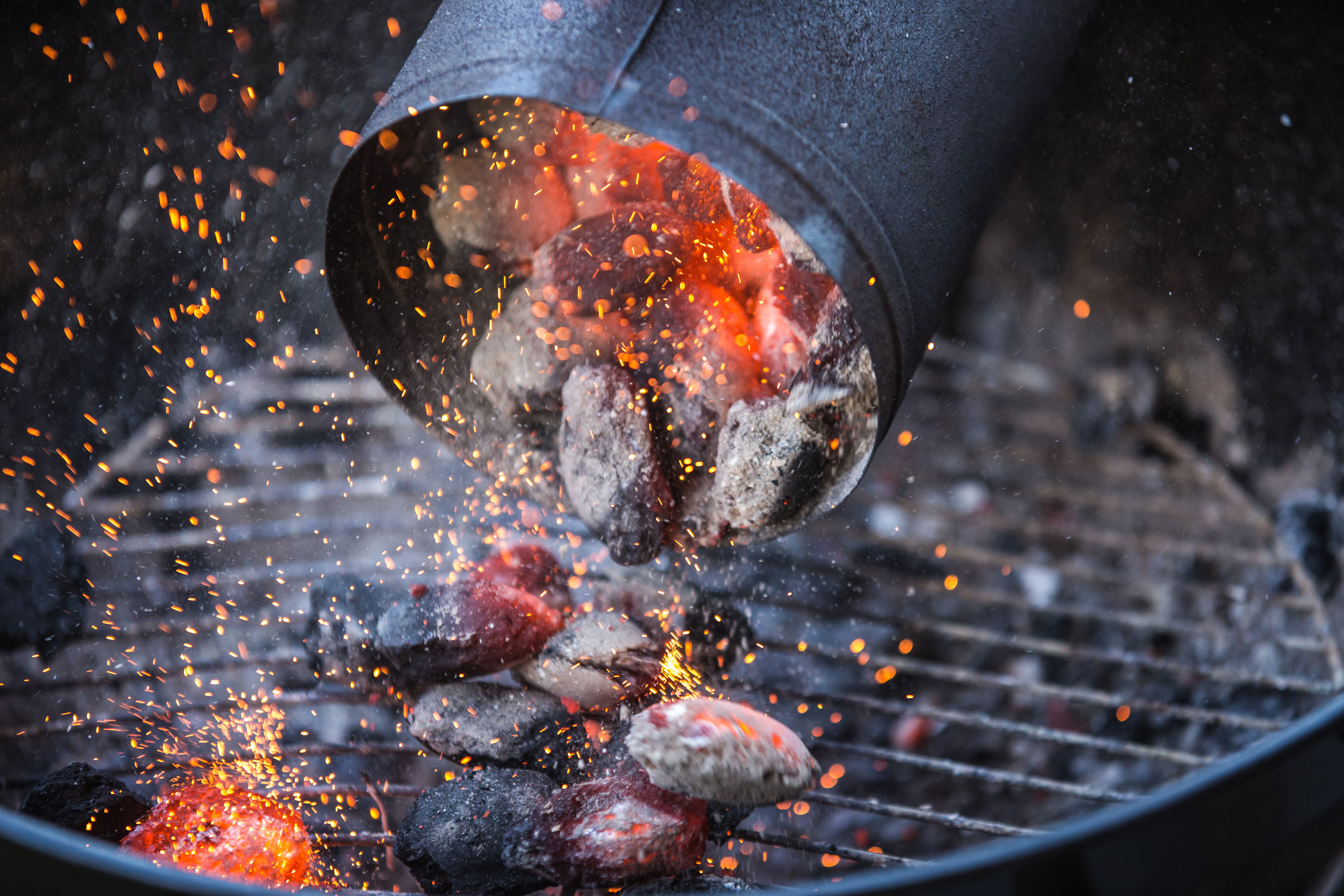
Appliance guidance matters more with this fuel than with wood. Check whether your stove or insert is rated for coal use, because some wood only units can be damaged by the higher temperatures. In most cases, anthracite coal performs best in closed appliances with controllable airflow and a suitable grate. It needs air from below to keep the fuel bed glowing, so flat base stoves may not be ideal. A raised grate lets ash fall away and keeps air paths open. If your stove lacks an ash pan, check cleaning intervals more often.
If your appliance allows coal, start with kindling and a small wood fire, then add anthracite once the firebox is hot. Avoid overfilling because dense fuel can block airflow and make control difficult. Small, even layers burn more cleanly than one deep pile. Use a carbon monoxide alarm in the room for safety. Check the alarm batteries before the heating season. Open a vent or air brick if the room feels stuffy during a long burn. Use a poker to open channels in the fuel bed if the fire slows down.
Let the ash build to a manageable layer before clearing it, as a thin ash base can help heat retention. Clear it before it blocks the grate slots or restricts air flow. Watch for signs of incomplete combustion such as dull smoke or an acrid smell. Those signals mean you need more air, not more fuel. A steady ember bed and controlled air settings give the most efficient burn and keep the chimney cleaner. Always follow your appliance manual because ventilation needs vary by model.
Limits, ash handling, and household costs
For many households, anthracite coal is chosen for long burns rather than quick heat. The slow ignition means it is less useful for short evening fires. Some users find the heat too intense for small rooms, especially in mild weather. The fuel is also heavy, so handling can be tiring if you bring it in regularly. A small scuttle can help you carry manageable amounts. Buying in coal bags can make storage easier, but you still need a dry, ventilated space. Keep bags sealed until use to limit moisture pickup. Label the storage date so you rotate stock in order.
If it absorbs moisture, lighting becomes even harder and performance drops. You should also factor in local coal prices because anthracite often sits at the premium end of the market. That cost can be justified when you need long, reliable heat, but it may be excessive for occasional use. Compare burn hours per bag rather than only the number of bags used each week. Consider how many hours you actually burn each week and how often you want to tend the fire. Some households mix fuels to balance cost and convenience, but only do this if the appliance manual allows it.
Always store fuel away from rain and damp walls, and keep it off cold concrete floors. Keep fire safety tools nearby and check them at the start of the season. A realistic plan on usage and storage will help you decide if the premium heat is worth the effort.
Conclusion
For many homes, anthracite coal can be an excellent option for steady, long lasting heat when your appliance is built for it. Its density and low smoke output reward careful lighting and airflow control. It also demands more patience at start up and stronger storage habits than softer fuels. If you prefer faster light, keep kindling burning longer before you add the fuel. Plan your first few burns as practice sessions to refine airflow. Take notes on burn time and ash levels. If you want guidance on whether it suits your stove, talk with D Debnam Coal and describe how you heat your home.
A quick check of appliance ratings and fuel supply will help you choose the right balance of performance and cost.
FAQ
Is smokeless coal the same as anthracite?
Not always. Some smokeless products are blends, while anthracite is a specific high carbon coal. Check the fuel name and approval details to understand what you are buying.
Can multi fuel stove fuel settings handle anthracite correctly?
Many multi fuel stoves can handle it, but airflow settings often need adjustment. Use the appliance manual to confirm grate and vent guidance before you burn it.