How to pick the best smokeless fuel for Essex and Suffolk homes
Smoke control areas across Essex and Suffolk make fuel choice more than a comfort issue. When you search for the best smokeless fuel, you want clean heat that stays within local rules and keeps appliances safe. Not every approved product behaves the same, so the right option depends on your stove type, how often you burn, and how you store fuel. Some options light fast but burn through quickly. Others burn longer but need steady airflow and careful loading. Clean vents before the first burn. This guide explains how to compare products, what labels to check, and how to match fuel to your household routine.
It also highlights buying tips that prevent wasted money and unnecessary smoke.
What smoke control rules mean for fuel choices
Smoke control rules require fuels that meet approved standards for lower smoke output. In practical terms, that means you should look for certified products and avoid burning untreated house coal in a controlled zone. The best smokeless fuel is usually listed by name on approved fuel lists, so check labels before you buy. Retailers often group products by appliance type, which helps narrow the choice. Ask whether the fuel is approved for open fires or only for closed stoves. If the label is unclear, request the product code from the supplier. Local councils also publish guidance on which fuels are allowed.
A swept chimney and clear flue are essential, even with approved fuel. Poor draft can make any product seem smoky and inefficient. Test the draft with a small kindling fire before winter. If smoke lingers, adjust vents or arrange a chimney check. Some approved fuels produce more heat for longer, while others focus on quick lighting and low ash. Check ash volume because high ash means more cleaning and less usable heat. Ash buildup can also restrict airflow and reduce heat output. Clean the ash pan often so vents stay open. If smoke control signage exists, follow it at all times.
Think about how long you want a fire to last and how much control your appliance gives you. If your stove has a grate and underfire air, it can handle denser fuels than a flat base unit. Also consider how much ventilation your room has because a tight room needs good airflow for clean combustion. Choosing an approved product and using it correctly protects indoor air and keeps you compliant with local rules. It also reduces the chance of smoky start ups that bother neighbors.
Appliances where best smokeless fuel performs well
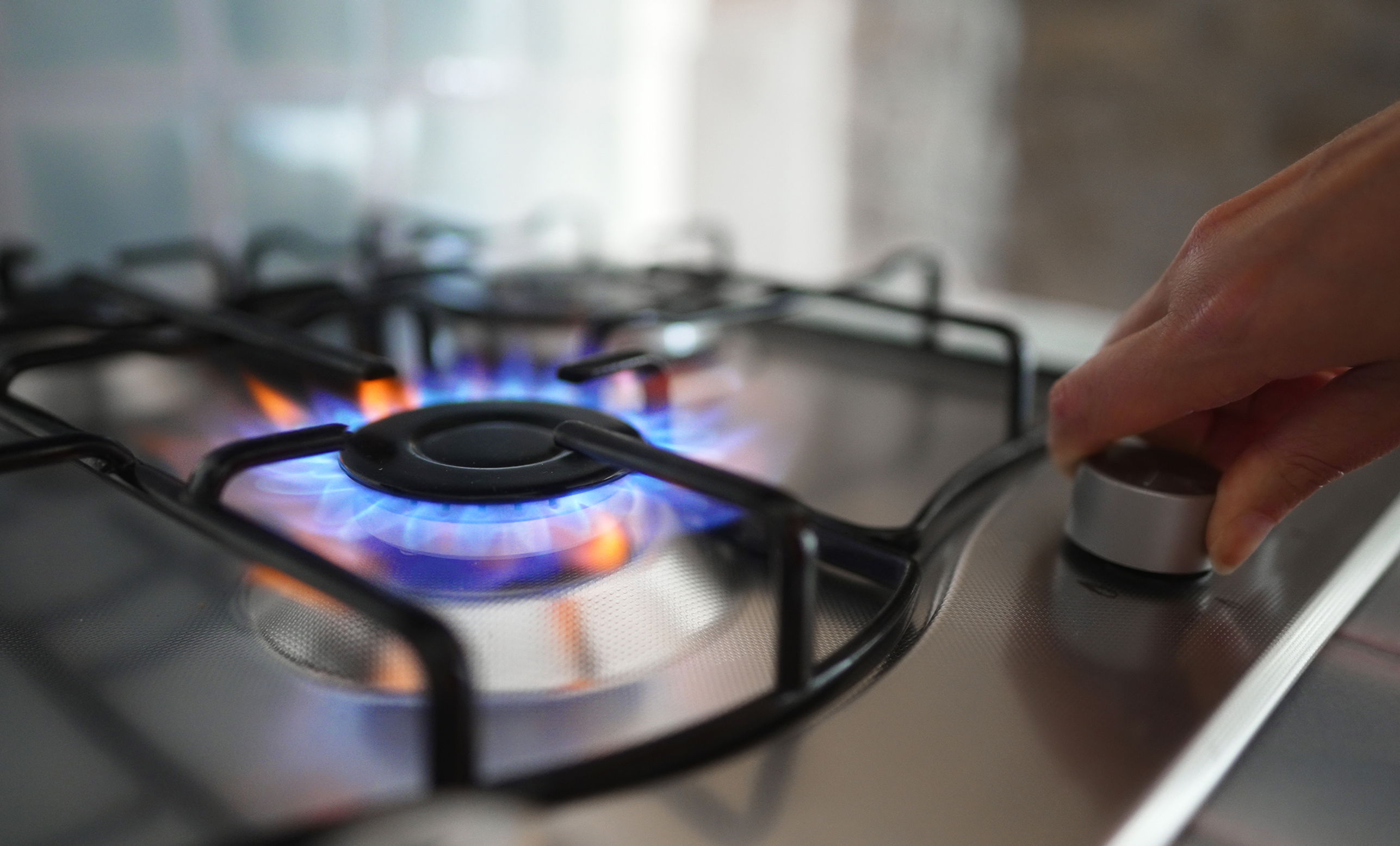
Different appliances reward different fuel behavior. In multi fuel stoves, dense products can provide a long, even burn, while open fires may need smaller pieces for stable flames. When comparing options, best smokeless fuel is the one that matches your appliance design and daily routine. For a stove used every evening, steady heat and low ash can save time. For occasional use, quick lighting may matter more than total burn time. If you want a long burn, choose denser fuels and allow more preheat time. Short burns can use smaller pieces that ignite faster and cool down sooner.
Match refueling intervals to your routine so the fire does not swing between hot and cold. Check the appliance manual for recommended fuel types and loading depth. Some appliances prefer a thinner layer to avoid overheating the firebox. Approved smokeless products are often chosen for longer burns and a stronger heat output, but they can require a hotter start. Use kindling and a small wood base to build an ember bed before adding dense fuel. Avoid overloading because it restricts airflow and lowers efficiency. Spread fuel evenly across the grate to keep airflow consistent. A shallow, even bed often burns cleaner than a single deep pile.
It also makes refueling smoother and reduces smoke spikes. If the flame looks lazy or dark, open the vents to increase oxygen. Do not shut vents too quickly after loading. A clean burn should look bright, with minimal visible smoke outside. The goal is not just heat, but controlled heat that keeps glass clear and the chimney cleaner. Consistent refueling and gradual air changes help keep the fire stable.
Buying tips, storage, and local supply checks
Buying well matters as much as burning well. Ask suppliers how the fuel is stored and how recently it was delivered, since damp storage reduces performance. Ask if bags are kept under cover and sealed between deliveries. Look for clear product names and approval labels, not just generic descriptions. Avoid listings that omit approval status or product codes. When people look for coal suppliers near me, they often choose speed over quality, so it pays to ask about product specs. Check coal prices by comparing cost per kilogram and expected burn time, not just bag price. Include delivery fees in the comparison so you see the true cost per burn.
Some products appear cheap but burn fast and produce more ash. Ask about bag size so you can plan storage and lifting weight. Smaller bags can be easier to handle but may cost more per kilogram. Wipe bags before bringing them inside to reduce dust and grit. Ask suppliers how they protect fuel during transport. Storage also affects results, so keep bags off wet ground and away from rain. Pallets and tarps can keep moisture off bags. If you store fuel in a shed, allow airflow to prevent condensation. Small habits like rotating stock and closing bags after use can preserve quality.
Even the best smokeless fuel will underperform if it absorbs moisture, so plan storage before winter sets in. A small dry reserve can prevent last minute purchases in wet weather.
Conclusion
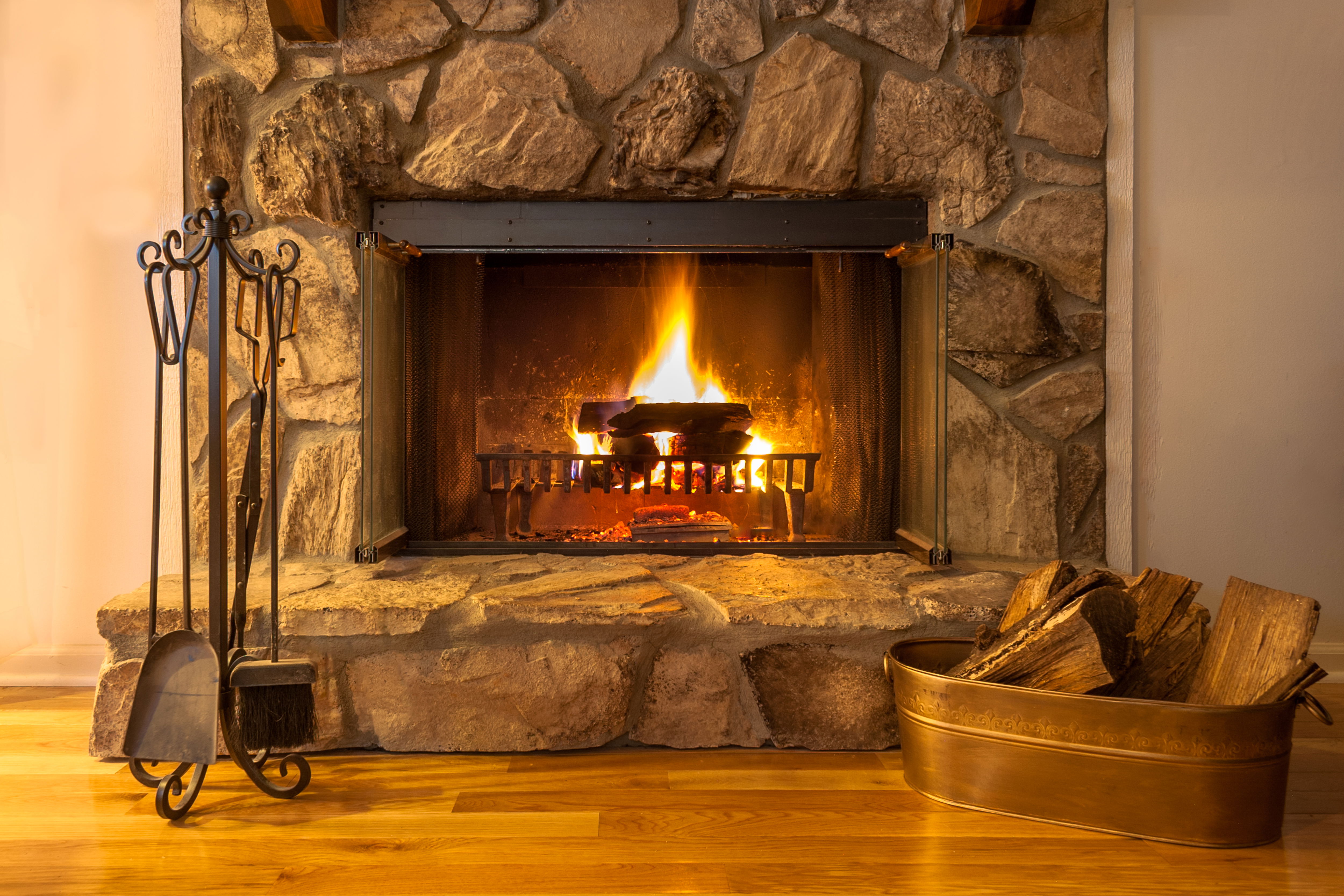
Choosing fuel for a smoke control area is about compliance, performance, and convenience. If you match product type to your appliance, store it well, and light it correctly, you can enjoy clean heat with fewer maintenance issues. The best smokeless fuel for your home may not be the most advertised one, but the one that fits your routine and stove design. Keep a simple log of which products burn best in your stove. Small adjustments in storage and airflow often deliver bigger gains than switching brands. Review your setup after a week of use and adjust airflow gently. Minor tweaks often improve heat output.
This keeps burn quality consistent in winter. For tailored guidance in Essex and Suffolk, contact D Debnam Coal and describe your appliance, usage pattern, and storage options.
FAQ
What does smokeless fuel near me include in delivery terms?
It usually means a local supplier who can deliver approved fuel within a short time frame. Ask about delivery windows, minimum order sizes, and how the fuel is packaged. Confirm the fuel is approved for your appliance before delivery.
Is cheapest smokeless coal near me always compliant with smoke control rules?
Not always. Low price does not guarantee approval status or consistent quality. Check the product name against approved lists before you buy. Quality and approval matter more than a small price difference.