Choosing coal for open fires without the smoke and mess
Open fires add atmosphere, but they demand careful fuel choice and airflow control. When people ask about coal for open fires, they want steady heat without excessive smoke or mess. Open fireplaces pull air from the room, so fuel quality and size matter more than in closed stoves. Some fuels burn hot but spit or smoke, while others burn slower and create less mess. This guide explains how to choose safe coal for an open grate, how to store it, and what to look for when buying locally. It also covers practical steps that reduce ash buildup and improve heat output.
Open fire airflow and why fuel size matters
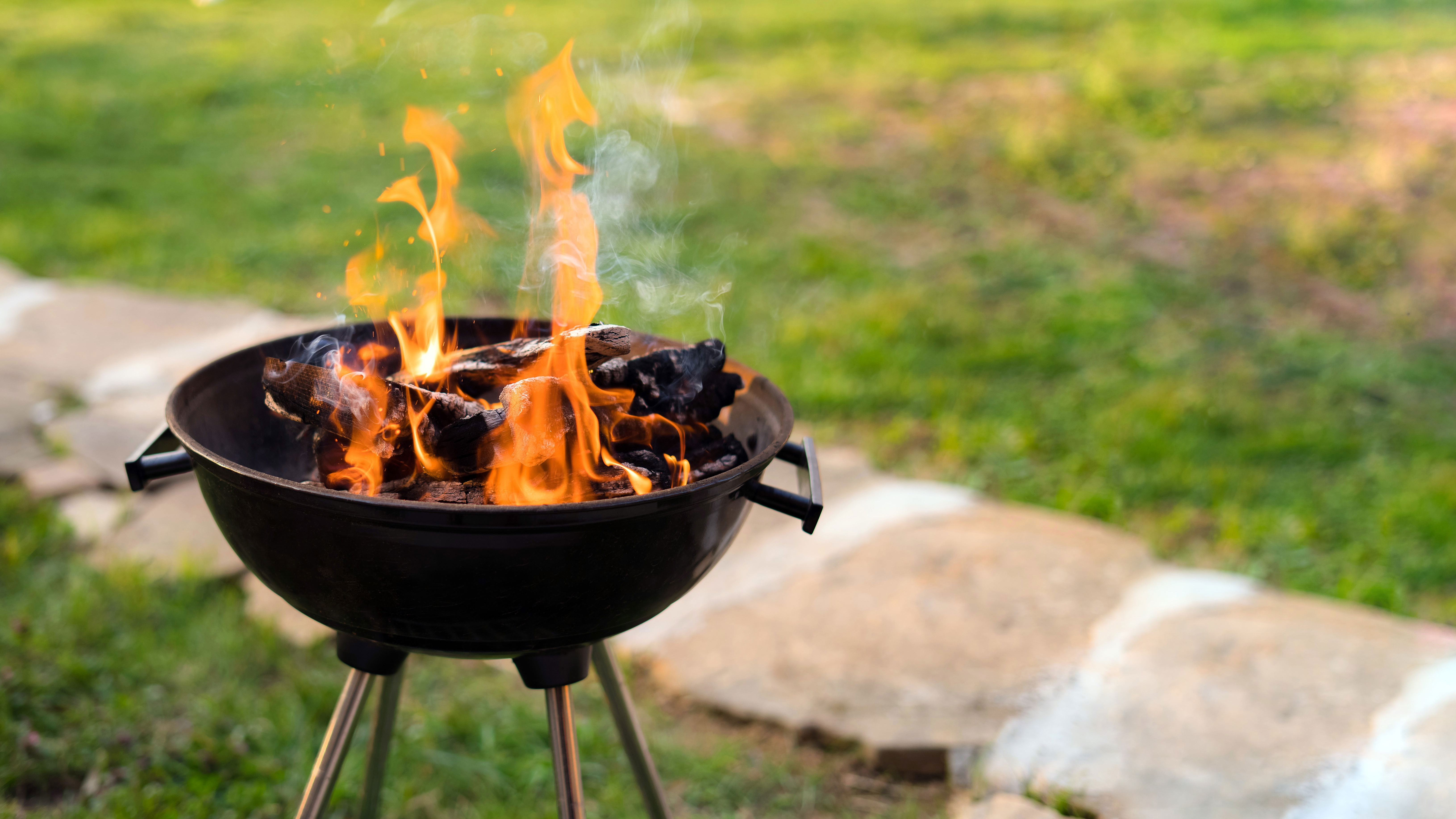
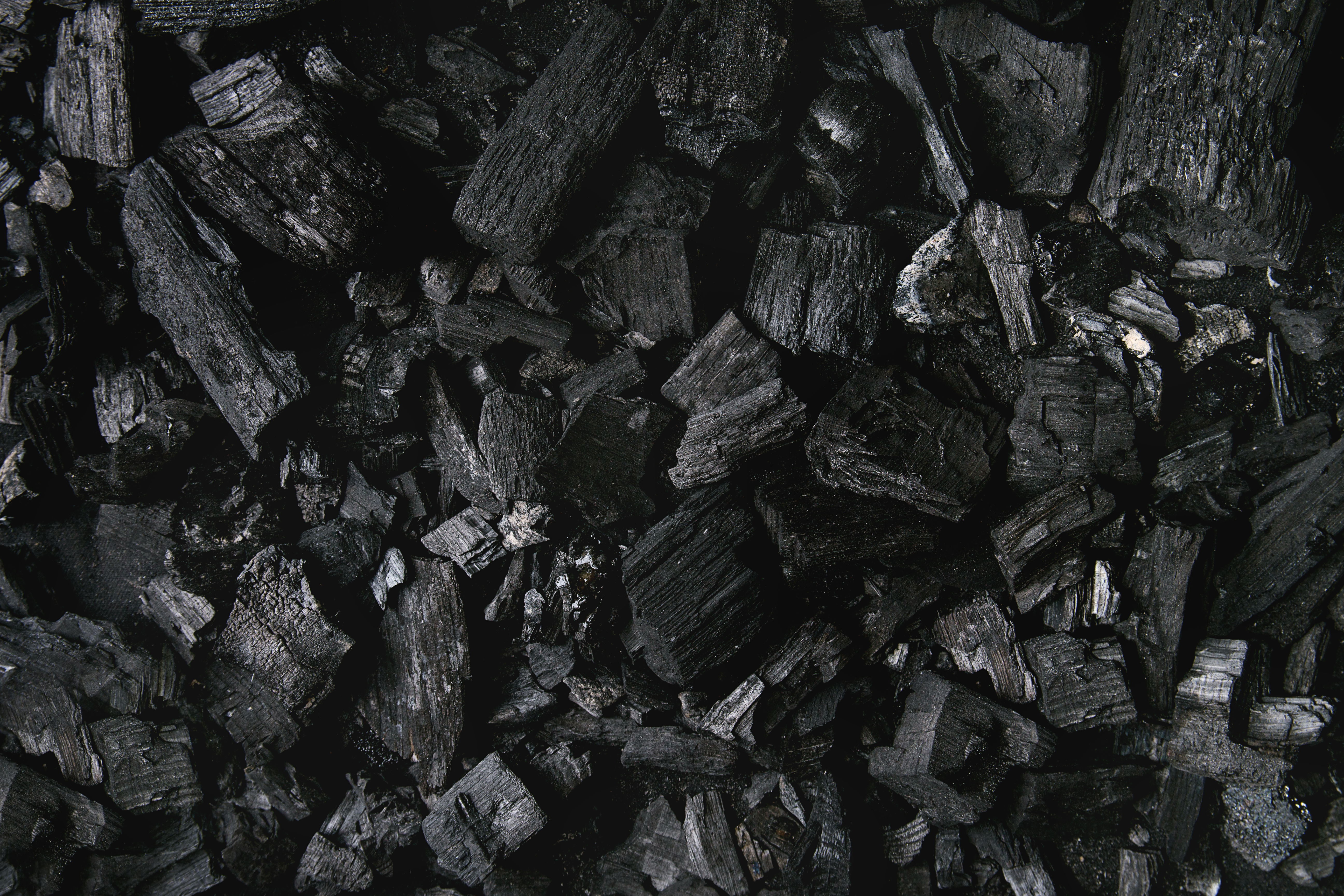
An open fire relies on strong draft to keep flames bright and smoke moving up the chimney. That draft works best when fuel pieces are consistent in size and spaced for airflow. Keep the grate clear of old ash so air can rise freely. If the draft is weak, open a nearby window for a short time during lighting. Open fires lose heat up the chimney, so fuel quality matters more than quantity. A fireback or reflector can push more heat into the room. For best results, coal for open fires should be sized to sit on the grate without blocking the air gaps underneath.
If the pieces are too small, they can fall through or smother the air flow, leading to smoke. Use a spark guard and keep the fire bed at a steady depth rather than piling fuel high. A metal tray can protect the hearth from stray embers. Never leave the fire unattended when sparks are active. Keep the hearth area clear of loose papers and fabrics. Use fireplace tools to adjust fuel without leaning into the opening. Keep a small bucket of sand or a fire blanket nearby. Do not leave children or pets near the fire while refueling.
Always keep the storage area dry, since damp fuel produces more smoke and takes longer to light. A hot kindling base helps the coal catch quickly and reduces start up smoke. Keep lighting materials dry to avoid prolonged smoke. Leave a thin ash layer to insulate the grate and steady the burn. If ash builds too high, remove some before the next burn. Once the fire is stable, add fuel in small amounts to keep the flames visible and active. Steady refueling prevents large temperature swings and makes the fire easier to manage. A small poker helps you keep gaps open for airflow.
Selecting coal for open fires in smoke control areas
In smoke control zones, approved fuels are essential, even for open fireplaces. Many traditional options are no longer allowed, so check labels and supplier guidance before you buy. If you are unsure, ask for the approved fuel list for your area. Fuel rules can change, so check each season before you stock up. Enforcement can include local inspections, so keep labels on bags until they are used. Keep approval labels until the bag is empty in case you need to confirm compliance. Check the approved list each season to ensure your chosen product is still listed.
Some customers still ask for house coal, but this is usually not suitable in controlled areas and can create heavy smoke in open grates. Approved household coal alternatives are formulated to burn cleaner and produce less visible smoke. They often light more easily and create a more stable ember bed. They can still create ash, so plan for regular cleanup. Store ash in a metal bucket and keep it outside until it is fully cold. Keep a carbon monoxide alarm in the room when you use an open fire. Ventilation matters, so avoid sealing the room too tightly during long burns. Open a vent briefly if smoke lingers after refueling.
Avoid burning painted wood or household waste in the fireplace. To get the best result, keep airflow open at the start, then reduce it once the fire is established. Avoid overfilling the grate because an overloaded fire burns poorly and makes more ash. Choose a product that matches your chimney draft and the size of your grate. When you use coal for open fires, keep a small shovel nearby so you can adjust the bed and keep air channels clear.
Buying, storage, and delivery checks for households
Buying locally can be convenient, but quality still varies. When you search for coal for sale near me, ask about the product name, approval status, and typical ash level. Storage affects value, so keep bags off damp floors and away from rain. Keep bags sealed until use to limit moisture pickup. Stack bags with small gaps so air can circulate around them. Rotate older stock forward to avoid moisture buildup. Plan deliveries before cold spells so you are not storing wet fuel in a rush. Bring in small amounts at a time to reduce dust inside the house. Wipe bags and tools to keep soot off floors and carpets.
Keep a covered container near the hearth for daily use. Store the container away from heaters and open flames. Ask the supplier about moisture exposure during storage and transport. If bags feel damp, dry them in a covered, ventilated area before use. Consider how often you burn and how many bags you can store safely. If storage is limited, buy smaller batches more often. Even in mild weather, you should keep a small reserve so you are not forced to buy damp fuel in a rush. If the fire starts to smoke after adding fuel, open the vents and allow the draft to clear the chamber before adding more.
In practice, coal for open fires performs best when you manage airflow and add fuel in small, regular amounts.
Conclusion
Open fireplaces can provide steady heat when fuel and airflow are managed with care. By choosing approved products, keeping fuel dry, and controlling the fire bed, you can reduce smoke and improve comfort. In many homes, coal for open fires is a good option when you follow the right safety steps and avoid overloading the grate. Good habits reduce smoke complaints and keep the room cleaner. Routine checks keep the chimney drawing well through winter. Keep tools and fuel in consistent spots to avoid trips. That improves safety. For help choosing products in Essex and Suffolk, contact D Debnam Coal and ask which options suit your fireplace and chimney draft.
FAQ
When is coal delivery useful for open fire users?
It is useful when you burn regularly and want consistent supply without last minute trips. Ask about delivery schedules, minimum order sizes, and storage advice. Confirm access and drop off space before delivery. Measure access for delivery trucks if you have a narrow drive.
How should you compare coal prices for open fireplaces?
Compare cost per kilogram against expected burn time and ash output. A cheaper bag can cost more if it burns fast or produces heavy ash. Compare expected burn time to avoid false savings. Check whether the bag size matches your storage space.