Clean Burning Coal for a Cleaner Stove and Easier Maintenance
Many households want steady heat without constant cleaning, heavy soot, or smoky relights. Clean burning coal is often chosen by people who want a tidier stove, clearer glass, and less buildup in the flue during regular use. When the right fuel is used correctly, it can burn evenly, hold a stable ember bed, and reduce the amount of residue left behind after each fire.
This guide focuses on what clean burning coal really means in daily use, how it helps reduce mess around the stove, and which simple habits keep maintenance to a minimum. It is designed for households that value reliability and cleanliness rather than constant adjustment or frequent cleaning.
What “clean burning coal” means in everyday use
In practical terms, clean burning coal is fuel that produces less visible smoke, fewer deposits on stove glass, and lighter residue in the flue when burned with steady airflow. It is not about chasing maximum heat, but about maintaining consistent performance with less cleanup.
Cleaner-burning fuel typically:
- Leaves less soot on stove glass
- Produces a more stable ember bed
- Reduces residue buildup in the flue
- Makes refueling more predictable
The result is a stove that stays cleaner between services and requires less day-to-day attention.
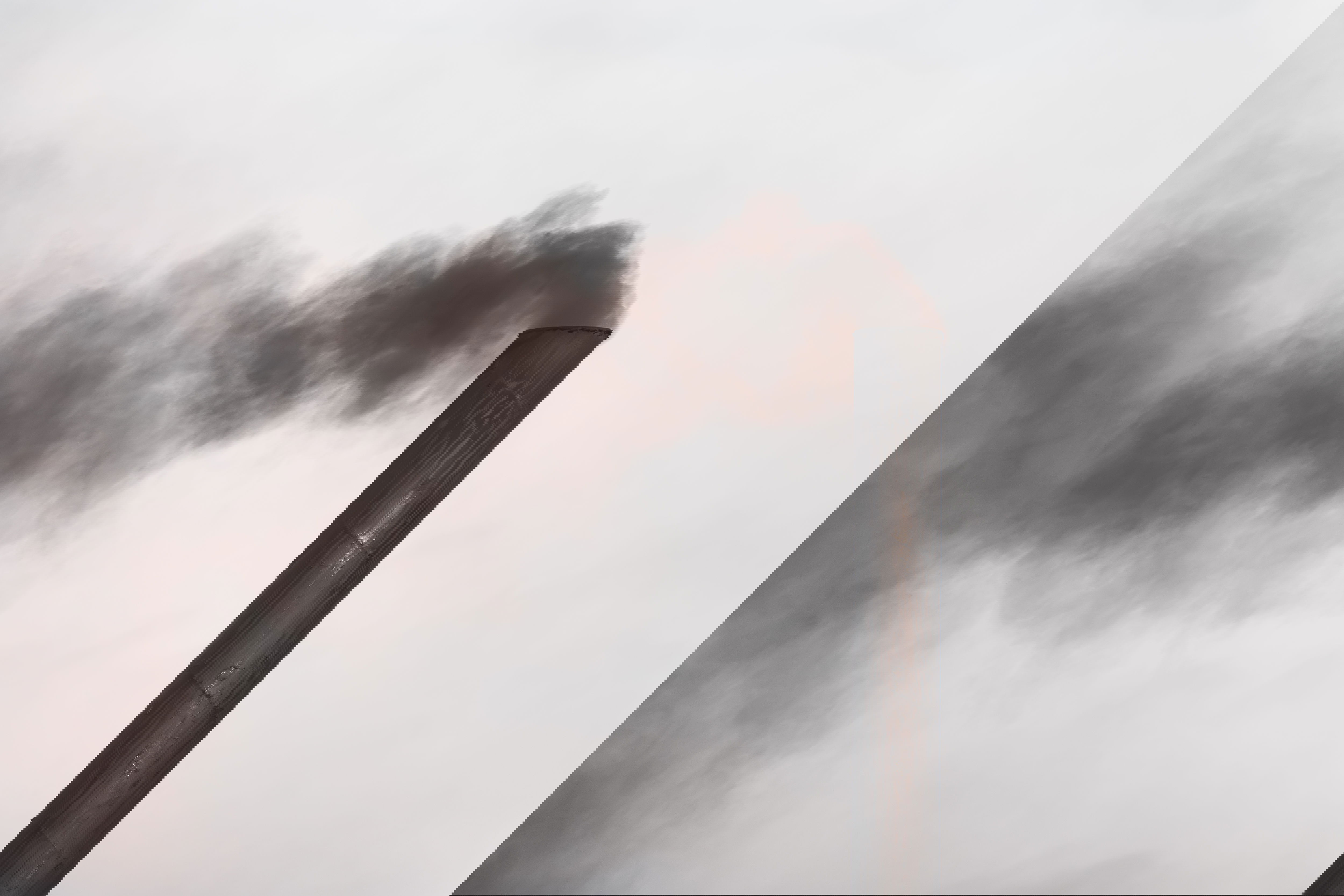
How clean burning coal reduces soot, glass staining, and flue buildup
A cleaner burn starts with fuel that has low volatile content and consistent sizing. When clean burning coal ignites evenly, it releases fewer unburned particles that would otherwise settle on glass or inside the flue. This is one of the main reasons some fuels leave heavy black staining while others do not.
Dry, well-stored fuel is critical. Moisture forces the fire to work harder before it produces steady heat, increasing smoke during start-up and refueling. When fuel is dry and added to a hot ember bed, combustion is more complete, which helps keep the glass clearer and reduces lingering odors in the room.
To support a clean burn:
- Start with a hot base using kindling
- Add fuel in small, even layers
- Keep air controls open until the fuel catches
- Reduce airflow gradually rather than suddenly
These habits help maintain bright combustion and prevent the dull smoke that leads to soot and residue.
Who benefits most from clean burning coal (and who may not)
Clean burning coal is especially useful for:
- Homes using a stove daily or most evenings
- Households that want clearer glass with less wiping
- Users who prefer stable heat without frequent relighting
It may be less suitable for:
- Very occasional fires where quick lighting is the only priority
- Users focused purely on the lowest upfront fuel cost
- Appliances not designed for coal use
Matching the fuel to your usage pattern is key to seeing the real benefit.
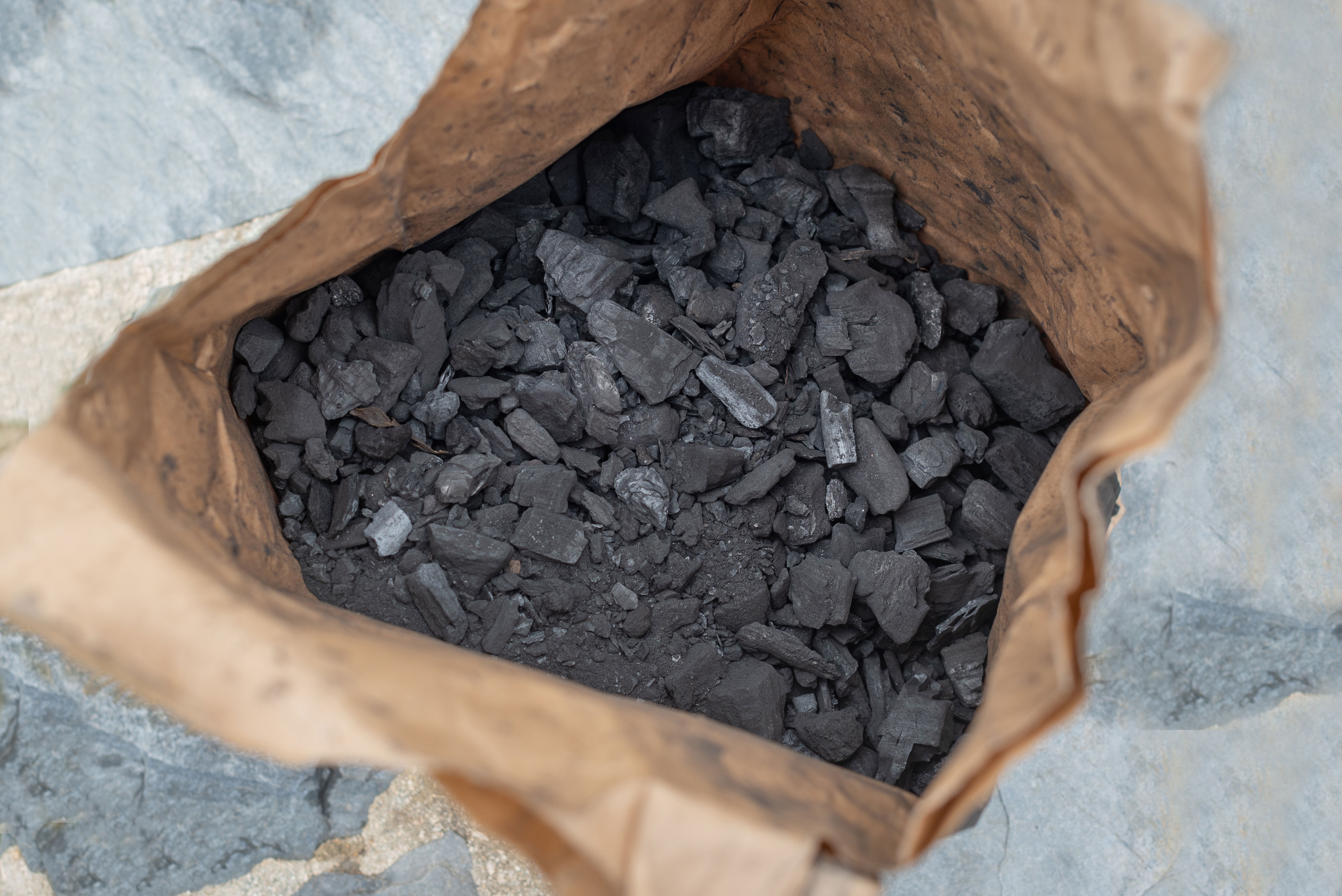
Storage and handling habits that keep coal burning cleaner
Even the best fuel will perform poorly if it absorbs moisture after delivery. Store clean burning coal in a dry, ventilated space and keep it off damp concrete floors. Bags should remain sealed until use and closed again between refuels to limit moisture pickup.
Simple storage habits make a noticeable difference:
- Rotate stock so older bags are used first
- Bring in small amounts to reduce indoor dust
- Keep storage areas clean to prevent grit spreading near the stove
Before lighting, clear ash from the grate and check that air slots are open so airflow is not restricted. A steady air path helps the fuel burn cleanly from the start.
Basic chimney and safety awareness
While this guide focuses on cleanliness rather than safety procedures, basic checks still matter. A clear flue supports good draft and cleaner combustion. Door seals should fit properly so airflow remains predictable, and a carbon monoxide alarm should always be in place and tested regularly.
If smoke or strong odors appear during use, stop refueling and open vents until the fire stabilizes. Clean burning coal performs best when airflow is steady and unrestricted.
Conclusion
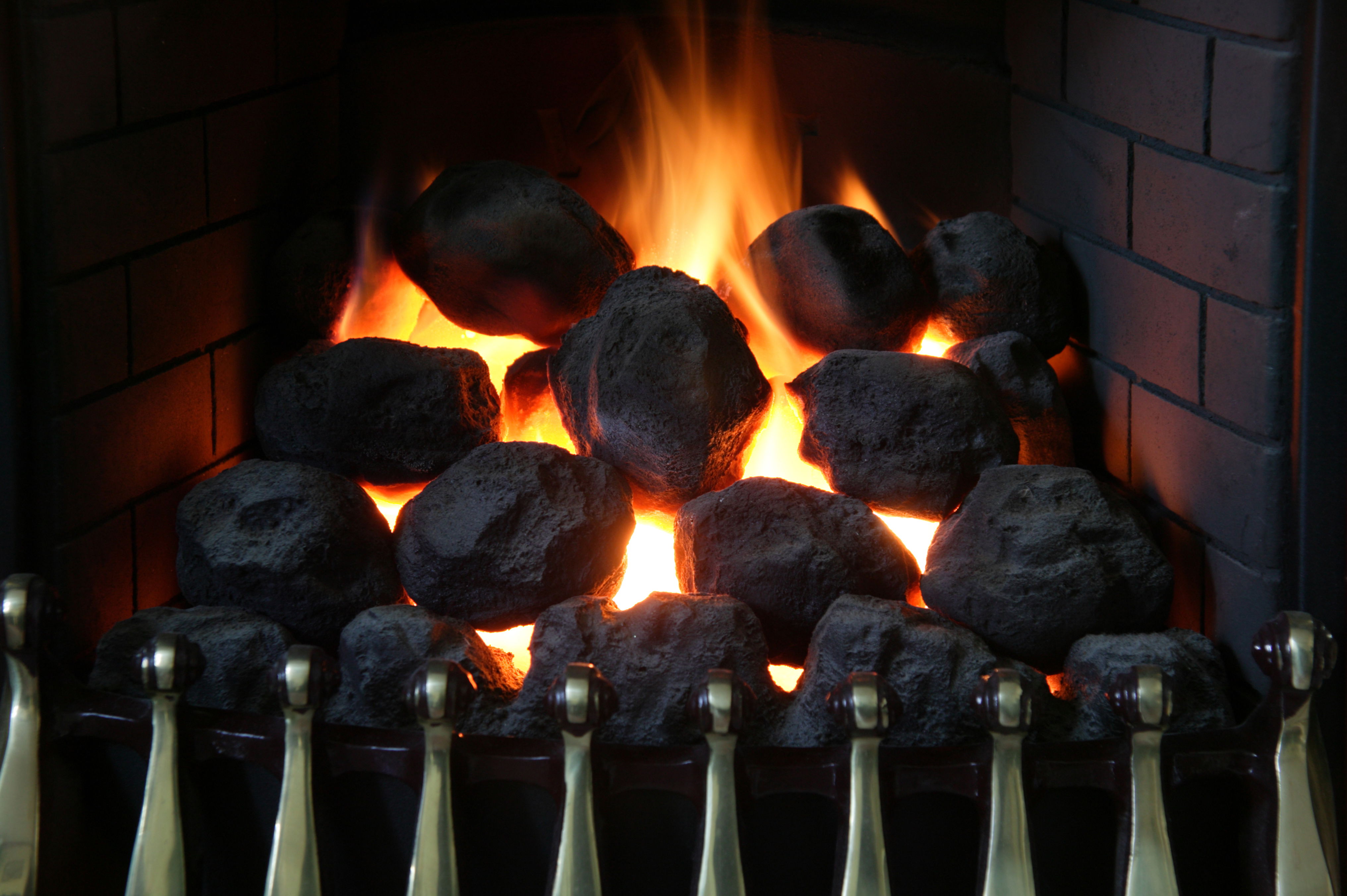
Clean burning coal is about reducing effort as much as improving comfort. When approved fuel is stored well and burned with consistent airflow, it can deliver steady heat with less soot, clearer glass, and fewer cleaning tasks through the season. Small changes in fuel handling and refueling habits often make a bigger difference than switching products repeatedly.
If you want guidance on clean burning coal options suited to your stove and routine, contact D Debnam Coal for local advice.
FAQ
Is clean burning coal suitable for smoke control areas?
Many approved products are suitable, but always check that the specific fuel name appears on the approved list for your area. Keep airflow steady to maintain a clean burn.
Does clean burning coal really reduce stove glass cleaning?
Yes. When fuel burns evenly with sufficient airflow, fewer particles stick to the glass. Correct loading and gradual air adjustments help keep the glass clearer for longer.