Best multi fuel stove fuel options for everyday heating
A multi fuel stove gives you flexibility, but fuel choice still affects comfort and maintenance. A well chosen multi fuel stove fuel should match your appliance design, your heating schedule, and the level of control you want. Check the manual before changing fuels, and keep vents clear for safe airflow. Small changes in fuel size can shift heat output and burn time. A small test burn helps you learn the best vent settings. Keep a simple log of what works on cold nights. Some fuels light quickly and give fast heat, while others burn longer and need more airflow.
This guide compares common options and shows how to build a clean, steady burn. It also explains how storage and loading habits change the way fuel performs in real homes.
Choosing multi fuel stove fuel for steady heat
Begin with the stove manual to confirm which fuels are approved. This prevents damage and keeps the warranty clear. It also keeps insurance records clear if you ever need them. It can help if you sell the property later. When you choose multi fuel stove fuel, focus on a balance between ignition speed and burn length. Think about how long you want a burn to last on weeknights. Plan refuels around your evening schedule to avoid cooling. Evening refuels are easier with a steady ember bed. Use a small, hot base and avoid adding dense pieces too soon. Let the first layer glow before adding more fuel.
If you need long heat overnight, choose fuels that hold a steady glow and avoid smothering. Keep the bed shallow so air can move through the fuel. A shallow bed makes it easier to adjust heat quickly. Watch the flame color and adjust vents in small steps. A bright flame usually means enough air is moving through. Dark smoke means the fire needs more air. A shallow, even bed keeps heat predictable and avoids smoky start ups. It also makes refueling more predictable during long evenings. It reduces sudden temperature swings that stress the stove body.
Wood options for quick starts
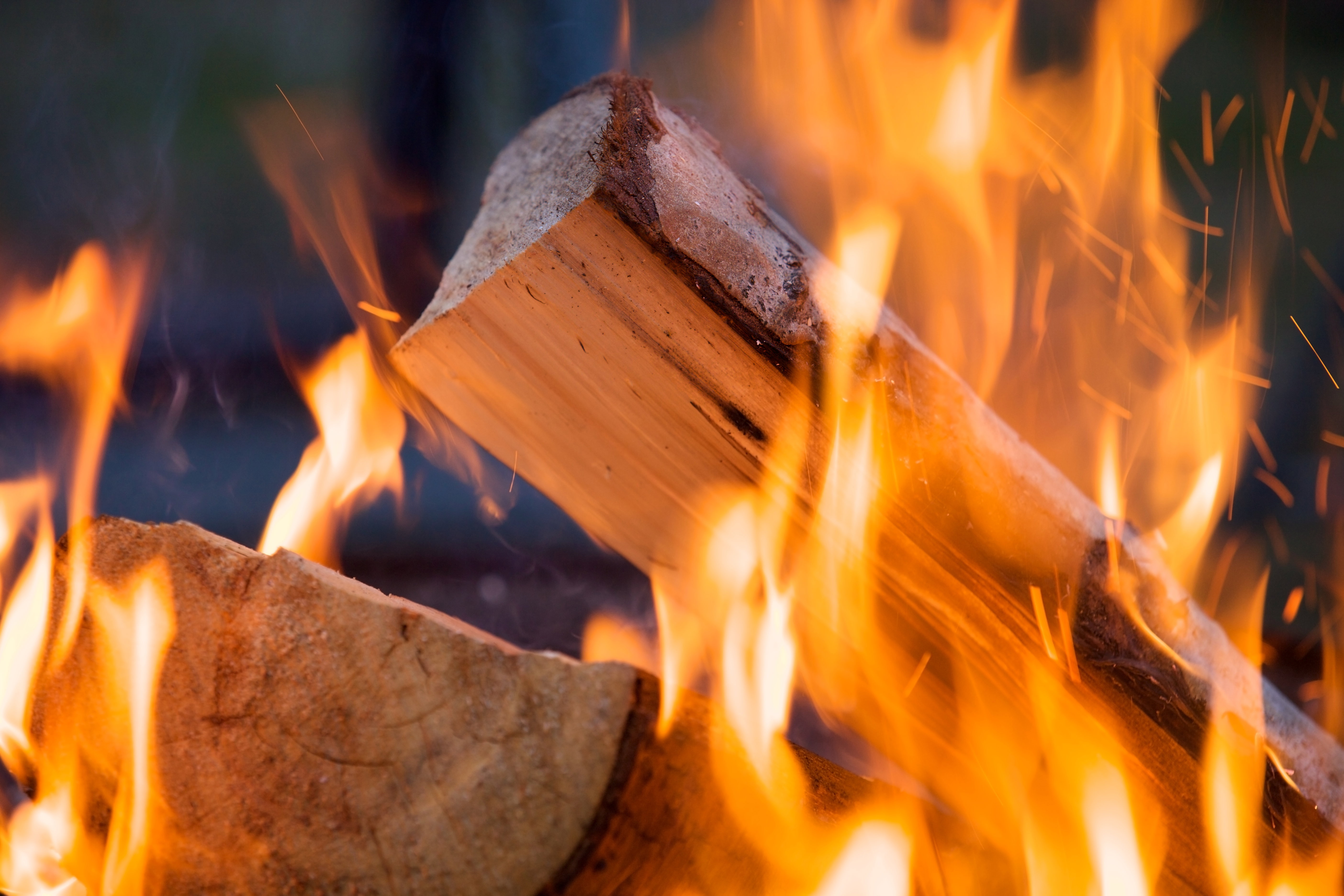
Wood is often used for lighting and short burns. Use dry kindling wood to start the fire and build a strong ember base. Split pieces catch faster and help heat the flue. They also dry faster in storage. Once the fire is established, add logs for wood burner use in small stages to keep airflow moving. If wood is damp, it will hiss and create smoke. Keep damp wood outside until it dries fully. Damp loads can stain the glass quickly. Smaller pieces light faster, while larger pieces extend burn time. Use a moisture meter if you are unsure about dryness. Aim for low readings before you burn.
Dry wood keeps the chimney cleaner through the season. Keep the door closed once the fire is stable to improve efficiency and safety. Open it briefly only for refueling. Keep a small rack near the stove so a few pieces can warm up. Rotate pieces to prevent mold during long storage. Keep barked pieces separate if they smoke. Store wood under cover so moisture does not slow ignition. Do not overload the firebox during start up. Overloading can stall the draft and dull the flame.
Coal options for longer burns
Coal based fuels can provide steady heat when airflow is set correctly. Dense fuels need a strong draft to stay lit. They respond best to steady airflow and a hot base. A common option is anthracite, which burns hot and long but needs a strong ember base. Approved smokeless coal can also deliver long burn times with lower smoke when used correctly. Check labels so you only use approved products for your area. Use a small trial burn before a full load. For easier handling, some households use coal briquettes because they are uniform and easy to stack. Keep bags sealed so moisture does not slow ignition.
Let the bed glow before reducing vents so smoke stays low. Reduce vents in small steps rather than sharp changes. Do not overload the grate, and leave gaps so air can move through the bed. Clear ash if it blocks the grate because airflow will slow. A blocked grate dulls the flame and increases smoke. Rake the bed gently to reopen gaps. Store fuel in a dry area so ignition stays reliable. Wet fuel will smoke at start up and waste heat. In many homes, multi fuel stove fuel works best when coal is added in small, even layers.
Maintenance and safety checks for mixed fuels
Mixed fuel use increases the need for regular checks. Inspect door seals so air does not leak and create uneven burns. Replace seals if they feel loose or brittle. Keep the ash pan below the grate level to prevent airflow blockages. Empty it before refueling so the bed stays stable. Sweep the flue at least once a season, or more often with daily use. Check baffle plates for warping or cracks. Check for bird nests in early autumn before lighting. Use a carbon monoxide alarm in the room and test it monthly. Keep spare batteries nearby so you can test on schedule.
Let ash cool fully in a metal container before disposal. Never use plastic bins for ash. Label the ash container to avoid misuse. A consistent maintenance routine keeps heat steady and reduces smoke. It also extends stove life and protects the flue. Keep a simple notebook to track vent settings for different loads. Avoid mixing too many fuel types in a single load, as it can slow ignition. Split long burn loads into stages to keep heat stable. Check that the room has enough fresh air if the flame looks lazy.
Conclusion
The best fuel choice depends on how you heat your home and how much control you want each day. In practice, multi fuel stove fuel performs best when you match the fuel to the appliance and keep airflow steady. A clear plan reduces waste and improves safety. Use wood for fast starts, add coal for longer burns, and adjust vents gradually to keep the fire clean. Review your routine after a week and fine tune the loading pattern. Small changes in loading often improve heat output. A consistent routine makes the stove easier to manage.
For advice on local fuel options in Essex and Suffolk, contact D Debnam Coal with your stove model and usage pattern.
FAQ
What is the safest way to choose multi fuel stove fuel?
Start with the manufacturer guidance and choose approved fuels only. Use a steady airflow routine and avoid overloading the grate. Avoid unapproved fuels that can damage the stove. Keep a note of approved fuels for future orders.
How can I keep the fire clean during long burns?
Use dry fuel, build a hot base before refueling, and reduce vents slowly. Clear ash regularly so airflow stays open. Check the glass and vents after long burns. A steady glow usually means enough air is flowing.